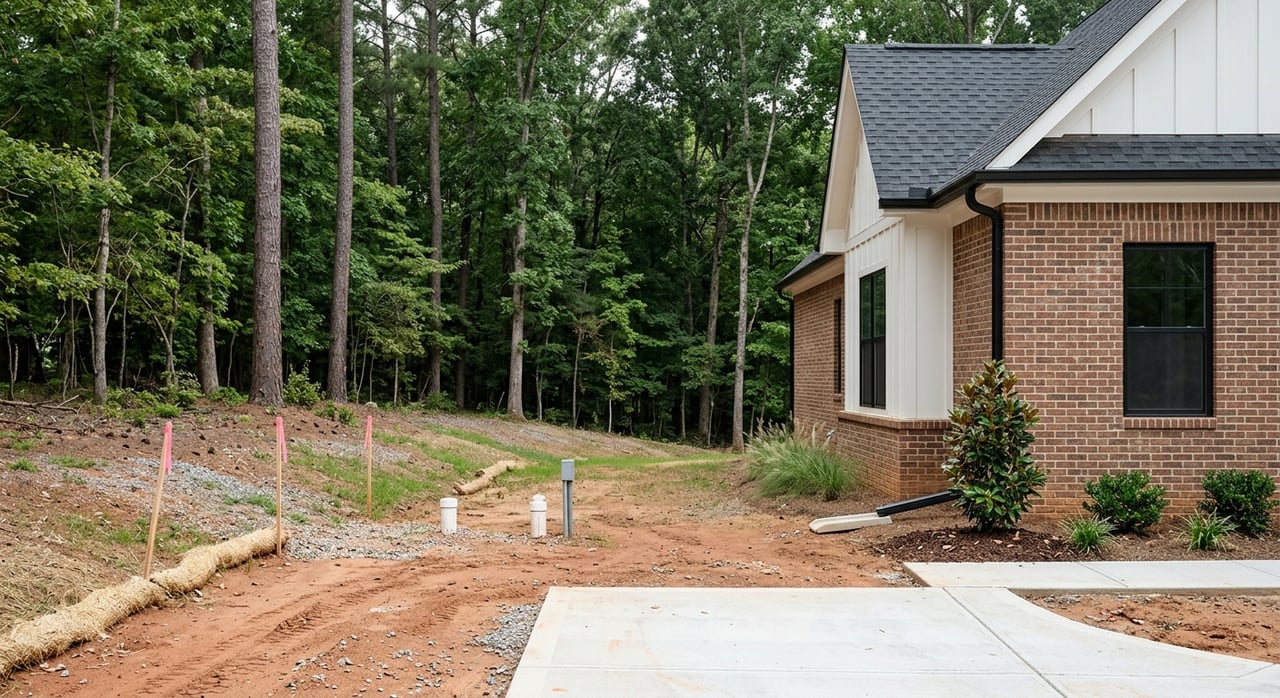
If you are torn between buying land and choosing a brand-new home in Kimberly, you are not alone. Many buyers want more space, more privacy, or a fresh start, but they also want a process that feels clear and manageable. The good news is that Kimberly gives you real options, and if you understand the local rules and tradeoffs, you can move forward with confidence. Let’s dive in.
Why Kimberly gives you two solid paths
In Kimberly, you may be deciding between a parcel of land where you can build later and a newly built home in an established community. Those are very different paths, even if the end goal is the same: a home that fits your life.
The city shows active oversight of development through permits, agendas, minutes, and public records. Kimberly also notes that building permits are required for all new construction and major renovations, which tells you right away that planning and due diligence matter here.
At the same time, buyers looking for a simpler route can find active new-home communities in Kimberly. D.R. Horton is currently marketing homes in communities like Rimel Farms and Doss Ferry, which gives you immediate new construction options without starting from raw land.
Start with jurisdiction first
Before you think about floor plans, driveways, or utilities, find out whether the property is inside Kimberly city limits or in unincorporated Jefferson County. That one detail affects who handles permitting and what approval path you may need to follow.
Jefferson County states that if a project is inside a city, the municipality handles permitting. The county also points buyers to mapping tools to help confirm jurisdiction, which makes this one of the first practical checks to complete before you go too far.
This matters because a parcel that looks straightforward online may come with a very different process depending on where it sits. A lot inside Kimberly and a lot just outside city limits can have different permitting steps, utility questions, and review requirements.
What buying land in Kimberly really involves
Buying land can be a great fit if you want more privacy, a larger homesite, or flexibility in how you use the property. But land usually requires more investigation than a finished home in a subdivision.
In Kimberly, the city requires permits for new construction, and it has a separate application for installing utilities or excavating rights-of-way. If the property is outside the city, Jefferson County may require a building permit, erosion and sediment-control review for land disturbance, and approval for sanitary sewer or septic before new construction or mobile-home placement.
That does not mean land is the wrong choice. It simply means you need a clear plan and the right questions early, before you close.
Check lot status and legal access
One of the biggest issues with land is whether the parcel is already recognized as a legal lot and whether it has proper access. In unincorporated Jefferson County, any division of land is treated as a subdivision and must be approved before recording or before building permits are issued.
If roads or sewerage improvements are needed, construction plans must be approved before final plat approval. For you as a buyer, that makes road frontage, legal access, and existing lot status key items to verify.
Confirm utilities and wastewater
Utilities can change the cost and timeline of a land purchase in a big way. A parcel may look ideal from the road, but the real question is what it takes to get power, water, sewer, or septic approval in place.
For non-sewer properties, septic permitting and inspections are handled by the health department, and approvals are valid for one year. If you are considering acreage outside a sewer-served area, that timeline matters, especially if you are not planning to build right away.
Review floodplain and drainage
Floodplain and drainage should never be an afterthought, especially on acreage where surface water patterns may be harder to spot. Jefferson County notes that construction in a floodplain can require a floodplain development permit in unincorporated areas.
The county also requires flood-damage protections in Special Flood Hazard Areas. Before you buy, it is wise to verify whether the land has flood exposure and whether site work may be needed to make the property build-ready.
Ask about zoning before special uses
If you are thinking about placing a mobile home on land, do not assume it will be allowed. Kimberly specifically says to confirm zoning with City Hall first, and Jefferson County notes that prefabricated structures must be properly permitted before installation.
That is a good reminder for any land buyer. The right property is not just about price and acreage. It is also about whether your intended use fits the local rules.
Why new construction can feel more predictable
For many buyers, a completed or nearly completed new home offers a simpler path. In an approved community, much of the entitlement and site-work process has already been handled by the builder.
That can remove several moving parts from your plate, including some of the uncertainty around subdivision approval, utility setup, wastewater review, and major site preparation. If your timeline matters, that predictability can be a major advantage.
Current new-home communities in Kimberly help show that tradeoff clearly. D.R. Horton is marketing homes in Rimel Farms and Doss Ferry, with single-story and two-story plans, community amenities, warranties, and smart-home packages.
Land vs new construction in Kimberly
Here is a simple side-by-side look at how these options often compare.
| Option | Potential Benefits | Things to Watch |
|---|---|---|
| Land or acreage | More privacy, larger homesite, flexibility | Jurisdiction, lot status, access, utilities, septic or sewer, floodplain, permitting timeline |
| New spec home | More predictable process, faster move-in potential, builder features and warranties | Less flexibility on lot characteristics and community layout |
Neither option is automatically better. The better choice depends on your timeline, comfort with due diligence, and how important privacy, space, or convenience are to you.
Questions to ask before you buy land
If you are considering a lot or small acreage near Kimberly, these questions can help you avoid surprises:
- Is the parcel inside Kimberly or in unincorporated Jefferson County?
- Does the parcel already have legal lot status?
- Does it have road frontage and clear legal access?
- Is the property served by sewer, or will it require septic approval?
- Are utility extensions needed, and who pays for them?
- Is any part of the property in a floodplain?
- Are there easements that affect where you can build?
- If nearby land is undeveloped, is it already under rezoning or subdivision review?
These are not small details. They can affect cost, build timing, privacy, and long-term use of the property.
Watch nearby development before closing
If you are buying land or even a home on the edge of newer growth, it helps to ask what may be coming next. Kimberly’s public-records process allows residents to request zoning and planning documents, ordinances, resolutions, and public notices. The city also offers zoning verification letters for a fee and directs residents to agendas and minutes.
Those public records can help you spot rezonings or site-plan requests before they affect a nearby lot. For parcels outside the city, Jefferson County explains that subdivision cases require Planning and Zoning Commission approval and public notice to adjoining owners.
That means you can ask practical questions before you buy, such as whether nearby land could add traffic, drainage work, utility extensions, or access changes. Recent local reporting on a proposed Lucas Drive development in Kimberly shows why that matters. Even a proposal can shape expectations around privacy, access, and the future feel of the area.
Which choice fits your goals best?
If you want a more custom feel, extra elbow room, or a longer-term homesite plan, land may be the right move. You just need to be ready for a process that can involve more approvals, more research, and a longer runway before construction starts.
If you want a cleaner timeline and a more straightforward purchase, a new construction home in an established Kimberly community may fit better. That option often works well for buyers who want modern features and less uncertainty.
The key is choosing with your eyes open. When you understand jurisdiction, permitting, utilities, lot status, and nearby development, you can compare your options based on facts instead of guesswork.
Whether you are weighing acreage, a buildable lot, or a new construction home, having local guidance can save you time and help you ask smarter questions from the start. If you want help comparing your options in Kimberly, schedule a consultation with Adam Ray.
FAQs
What should you check before buying land in Kimberly, Alabama?
- Confirm whether the parcel is inside Kimberly city limits or in unincorporated Jefferson County, then verify lot status, legal access, utilities, wastewater options, floodplain exposure, and any zoning or easement issues.
Is building on land in Kimberly more complicated than buying a new home?
- Yes. Building on land usually involves more steps, such as jurisdiction checks, permits, utility planning, wastewater approval, and possibly subdivision or floodplain review.
Are there new construction homes available in Kimberly, Alabama?
- Yes. Current builder activity in Kimberly includes communities such as Rimel Farms and Doss Ferry, which offer buyers an alternative to starting with raw land.
How do you find out if a Kimberly-area parcel is in the city or county?
- Jefferson County says buyers should confirm jurisdiction first because permitting depends on location, and the county points users to mapping tools to verify whether a property is inside a city or in unincorporated county area.
What public records matter when buying land near Kimberly?
- Agendas, minutes, zoning and planning documents, public notices, subdivision review records, and zoning verification materials can all help you understand current rules and possible nearby development activity.